Tag: Pitaya
Dragon fruit powder
Dragon fruit powder (Pink pitaya powder) is a concentrated form of the fresh fruit. It’s a popular “superfood” supplement due to its vibrant color and a wide array of potential health benefits.
 Dragon fruit powder is made by processing fresh dragon fruit, typically the red-fleshed variety (also known as Hylocereus polyrhizus or pink pitaya), into a fine powder. The most common method is freeze-drying, which helps preserve the fruit’s nutritional content, color, and flavor. Because the water has been removed, a small amount of powder is highly concentrated. For example, it can take 15 kg of fresh fruit to produce just 1 kg of powder.
Key Health Benefits and Nutritional Value
Pink pitaya powder is rich in a number of beneficial compounds:
- Antioxidants: It’s a powerful source of antioxidants, including Vitamin C, betalains, and flavonoids. These compounds help combat oxidative stress and protect cells from damage caused by free radicals, which may reduce the risk of chronic diseases like heart disease, cancer, and arthritis.
- Fiber: It contains a significant amount of dietary fiber, which is essential for digestive health. The fiber acts as a prebiotic, nourishing the beneficial bacteria in your gut and promoting a healthy gut microbiome. This can aid in digestion, prevent constipation, and support a healthy immune system.
- Vitamins and Minerals: It contains a good amount of Vitamin C, which is crucial for immune function and collagen production for healthy skin. It also provides essential minerals like iron, magnesium, and calcium. The Vitamin C also helps the body absorb the iron, which is important for oxygen transport and energy production.
- Skin and Hair Health: The antioxidants and Vitamin C content in the powder can support collagen synthesis, fight signs of aging, and reduce inflammation, contributing to healthier, more radiant skin. Some sources also suggest it can help with hair health and scalp conditions.
- Blood Sugar Management: The high fiber content in dragon fruit powder can help stabilize blood sugar levels by slowing the absorption of sugar. Some studies have shown a potential link between dragon fruit consumption and improved blood sugar control, particularly in individuals with pre-diabetes.
How to Use Pink pitaya powder
 Dragon fruit powder is incredibly versatile. It has a mild, subtly sweet flavor, so it’s not overpowering. Its most notable feature is its intense, natural pink color, which makes it a popular natural food coloring. It can be used in:
- Smoothies and Smoothie Bowls: It’s a go-to ingredient for adding a beautiful pink hue and a nutritional boost.
- Drinks: Mix it into water, juices, or lattes for a colorful, healthy beverage.
- Baked Goods: Use it in pancakes, muffins, or cakes to give them a vibrant pink color without artificial dyes.
- Desserts: It works well in puddings, yogurt, ice cream, and other desserts.
- Oatmeal and Cereal: Stir it into your morning bowl for added nutrients and color.
Dragon Fruit Powder vs. Fresh Dragon Fruit
While both are healthy, the powdered form offers a few distinct advantages:
- Concentrated Nutrients: Because the water has been removed, the nutrients in the powder are more concentrated. A small serving of powder can provide the nutritional equivalent of a much larger amount of fresh fruit.
- Convenience and Shelf Life: The powder is easy to store and has a long shelf life, allowing you to enjoy the benefits of dragon fruit year-round, regardless of seasonal availability.
- Versatility: The powder form is easy to blend into a variety of recipes where the texture of fresh fruit might not be ideal.
Where to buy:
Freeze-Dried Dragon Fruit Crisps
Nature’s Turn Freeze-Dried Dragon Fruit Crisps are a snack product made from 100% dragon fruit.
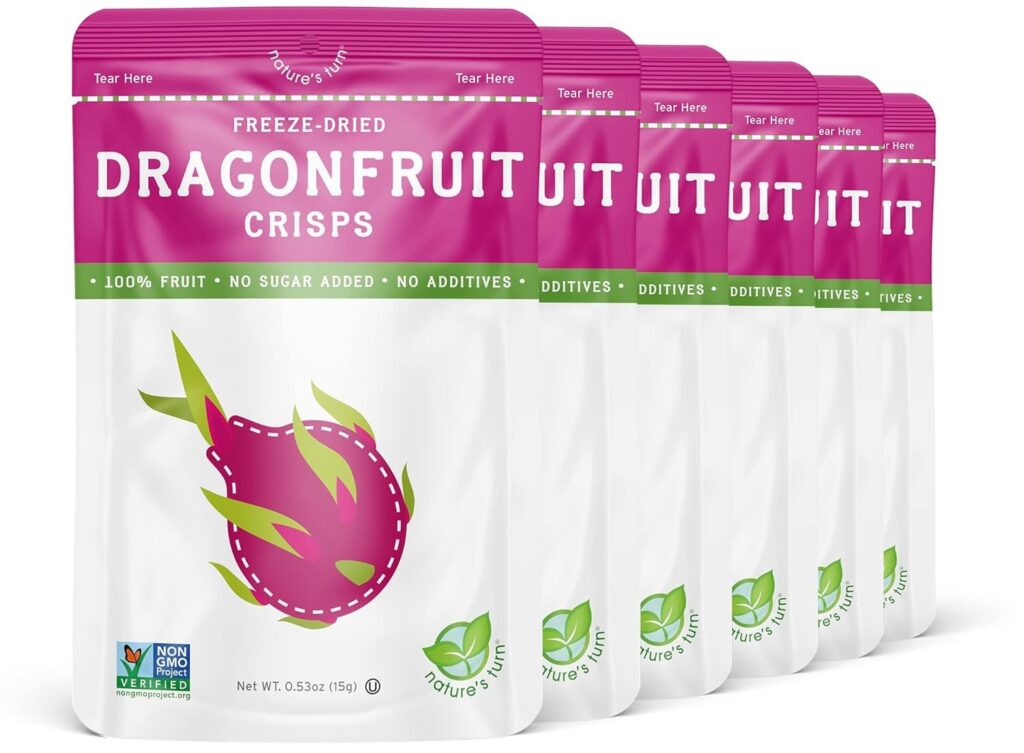
Product Description:
- Ingredients:The crisps are made from a single ingredient: Red Dragon Fruit.
- Process:Freshly picked dragon fruit is cleaned, sliced, and then freeze-dried. This process involves evaporating over 90% of the water in a vacuum chamber, which results in a crispy, light texture while retaining most of the fruit’s natural color, flavor, and nutrients.
- Texture:They have a crispy, chip-like crunch.
- Versatility: While they can be eaten on their own as a snack, they are also marketed for use in other foods like cereal, yogurt, smoothies, trail mix, salads, and baked goods.
 Nutritional Information & Claims:
- No additives: They contain no added sugar, additives, preservatives, or sulfites.
- Dietary Friendly: The product is certified Kosher, Non-GMO Project Verified, and is naturally vegan and paleo-friendly.
- Allergen-free:The facility where they are made is free from the top 12 allergens, including peanuts, tree nuts, dairy, and gluten.
- Nutrition: A 34g serving contains approximately 130 calories, 4g of dietary fiber, and 21g of naturally occurring sugars.
Where to Buy:


How to Grow Dragon Fruit in your Backyard
How to Grow Dragon Fruit Plants: A Backyard Gardener’s Guide (Even in Small Spaces)
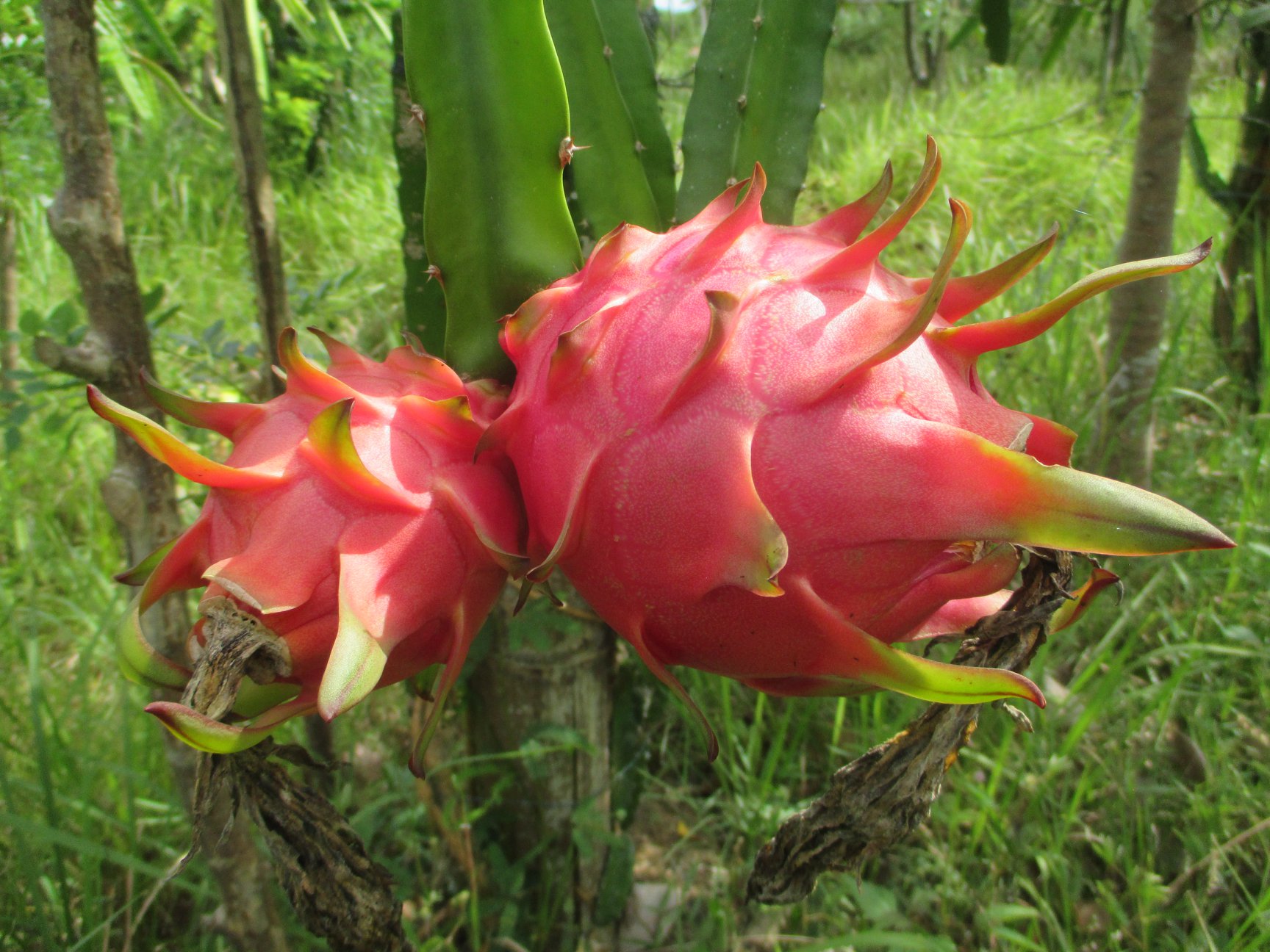
Your dragon fruit plant could outlive your car, your smartphone, and maybe even your mortgage. These subtropical cacti live for more than ten years and can keep producing fruit for 20 years (and even more) when you care for them properly.
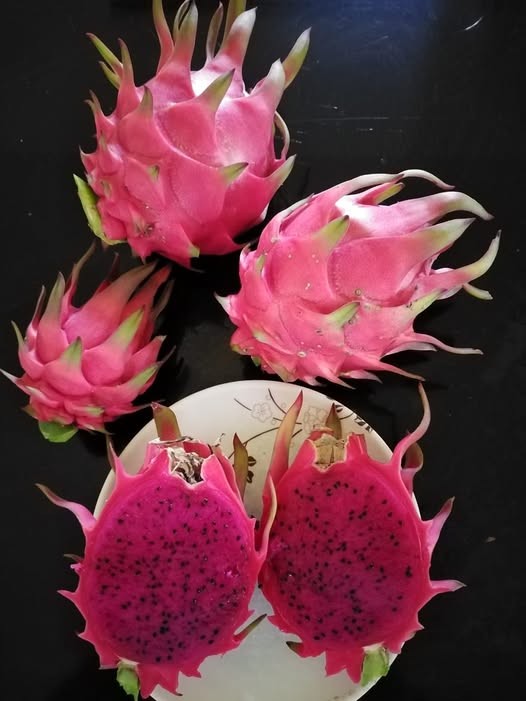 The plant itself might look like something from another planet – a climbing cactus that produces bright fuchsia-pink fruits dotted with tiny black seeds. Yet despite their exotic looks, dragon fruit plants aren’t the gardening challenge most people imagine. Here’s what surprised me most: Seeds need at least 5 years before they’ll give you fruit, but cuttings? They can start producing in just one to two years.
Small backyard? Tiny patio? No problem. While these climbing cacti prefer USDA zones 10-11 outdoors, they’re surprisingly adaptable. Grow them in containers and you can wheel them inside when winter arrives. No greenhouse required.
Picture this: You step outside one morning and pluck a ripe dragon fruit from your own plant. Whether you choose the classic bright pink varieties or go for something different with yellow ones, that first harvest feels pretty incredible.
You’ll learn exactly how to make this happen – from picking the right variety for your space to getting that first perfect fruit. Every step, every season, every trick that actually works for real gardeners growing these remarkable plants at home.
Choose the Right Dragon Fruit Variety
Your variety choice can make or break your dragon fruit growing experience. Get this part right, and you’re already halfway to success.
Self-fertile vs. self-sterile types
Dragon fruit plants fall into three pollination categories. Self-fertile varieties can make fruit using their own pollen, though they still need help getting that pollen to the stigma (the female part of the flower). White-fleshed varieties usually handle this better than red-fleshed ones.
Self-sterile varieties demand cross-pollination with another compatible plant to produce fruit. You’ll recognize these by their very long stigma that extends well beyond the anthers (pollen-producing parts). Most colored-flower varieties fall into this group. Do not plant self-sterile varieties unless you have a special reason to do so. So many Dragon Fruit Growers are dissapointed, because of their self-sterile varieties…
Then there are self-pollinating varieties – the easy button for dragon fruit growing. These plants have short stigmas buried right within the anthers, so pollination happens naturally as the flower moves. Of course self-pollinating varieties are also self-fertile, otherwise no pollination could happen…
Best beginner-friendly cultivars
Some varieties just work better for first-time growers:
‘Vietnam White‘ (Hylocereus undatus): High-yielding and self-fertile – perfect for beginners. This variety cranks out abundant pollen, making fruiting almost foolproof.
‘Sugar Dragon’: Both self-fertile and self-pollinating, plus it acts as a universal pollinator. Its pollen works with most other dragon fruit varieties, making it incredibly versatile.
‘American Beauty’ (Hylocereus guatemalensis): Fast-growing and self-fertile with rich pink flesh. Expect medium to large fruits weighing 0.5-1 pound.
‘Dark Star’: Stays manageable while producing delicious fruit. Same goes for ‘Sugar Dragon’ – both keep their size reasonable.
Got just one plant? Self-pollinating varieties eliminate the guesswork and boost your chances of getting fruit.
No Name varieties
Very often, the exact variety is unknown or it is a hybrid. So, the different species are often named after their fruit color, e.g., Red Dragon Fruit (with red or white flesh), White Dragon Fruit (with white flesh), or Yellow Dragon Fruit (yellow pitahaya), which corresponds to their typical skin color. There are also varieties with pink flesh, known as Pink Pitaya.
Red Dragon Fruit: Characterized by a red / pink skin and either white or red flesh. This is one of the most popular varieties – and – if it is self-pollinating, the best variety you can choose. You have to ask (and trust) the one, who give you (sell you) some cuttings.
White Dragon Fruit: Has a red skin and white flesh.
Yellow Dragon Fruit: This variety, also called Yellow Pitahaya, has a yellow skin and is often the variety with the most intense flavor.
Pink Dragon Fruit / Pink Pitaya: This has a pink skin and also pink, sometimes described as magenta, flesh.
Why these names work: These names help distinguish the different dragon fruits based on their distinctive characteristics. The color of the skin and flesh are the most important distinguishing features.
Why variety matters for small spaces
Small gardens don’t mean small dreams. Certain varieties were practically designed for tight spaces.
Edgar’s Baby works beautifully in small areas. This compact hybrid keeps its growth controlled compared to sprawling varieties, making patio growing much easier. Though it needs cross-pollination, it’s vigorous and produces stunning night-blooming flowers.
Little Winnie earned its nickname ‘The Dwarf Dragon’ for good reason. Everything about it stays small – roots, cuttings, flowers, and fruit. Perfect when space is at a premium.
What makes small-space varieties special:
- Controlled growth means less pruning headaches
- Container-friendly root systems
- Good fruit production despite compact size
- Reliable flowering once they get going
- Gorgeous looks (green stems, striking flowers, colorful fruit)
Choose varieties bred for containers and small spaces, and your garden size stops being a limitation.
 Start with Cuttings for Faster Results
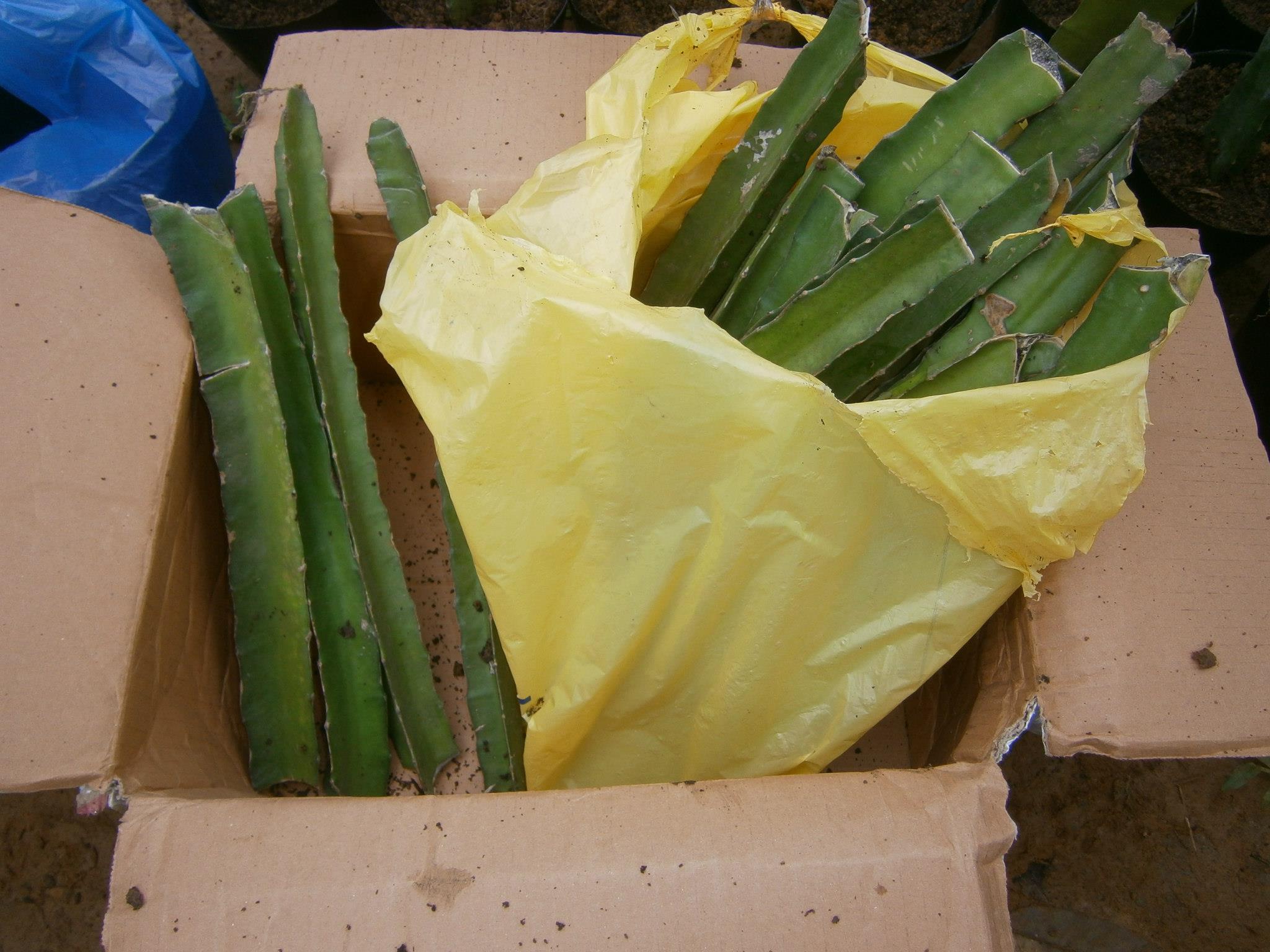
Skip the seeds. Seriously. If you want dragon fruit sometime this decade, cuttings are your best friend.
Why cuttings beat seeds every time
Here’s the math that matters: cuttings can produce fruit in just 1-2 years, while seeds make you wait at least 5 years.
That’s because cuttings are basically clones – they skip the whole “learning to be a plant” phase that seedlings go through.
But speed isn’t the only reason experienced growers stick with cuttings:
- Higher success rate than seeds, with fewer diseases and pests affecting established cuttings
- Genetic certainty – cuttings produce exact clones of the parent plant
- Less demanding care requirements compared to delicate seedlings
- Greater resilience to environmental stresses and growing conditions
Most serious growers won’t even bother with seeds for practical growing. The time difference is just too dramatic.
How to root your cutting (the simple way)
Get this right and your cutting will reward you for years. Here’s the process that works:
Start with the right size. Cut a healthy piece that’s at least 8-10 inches long from a mature plant. Longer cuttings have more energy stored up, which helps them get established faster. Don’t go shorter – they need that length to survive.
Let it heal first. This step trips up a lot of beginners. Set your cutting in a cool, dry spot away from direct sun until the cut end forms a tough callous. Usually takes 2-7 days. Skip this and your cutting will likely rot in the soil.
Mix the right soil. Grab a cactus or succulent mix and beef it up with perlite, vermiculite, sand, peat moss, or coco coir. Fill a 3-5 gallon container with this mixture – you’ll need the space later.
Plant it shallow. Only stick the bottom inch into the soil. Plant it deeper and you’re asking for rot problems. Keep that growing tip pointing up. .
Give it support right away. Dragon fruit is a climbing cactus that’ll fall over without help. A bamboo stake at least 18 inches long works perfectly.
Water carefully. Give your new cutting a drink, then wait. Only water again when the soil is completely dry. Many growers keep their cuttings in shade for some weeks while roots develop.
Some people root cuttings in water first, changing the water every few days until roots show up. Both ways work, though soil rooting tends to create stronger root systems.
Where to find good cuttings
The cheapest option? Ask around. Friends or neighbors who grow dragon fruit will usually share a cutting. These free cuttings work just as well as store-bought ones when you handle them right.
Garden centers are catching on to dragon fruit’s popularity and more are stocking plants and cuttings. These usually come with proper variety labels and are already rooted.
Online gives you the most choices. Specialized growers ship cuttings nationwide, and most reputable sellers offer pieces that are 12-15 inches long – these establish quickly once they arrive.
Whatever source you choose, make sure they can tell you exactly which variety you’re getting and how to care for it. This matters especially if you picked a specific type from the varieties we covered earlier.
Set Up Containers and Trellises for Small Spaces
Your container setup can make or break your dragon fruit success, especially when space is tight. Get the pot, support, and placement right, and even a tiny balcony can produce exotic fruits that impress your neighbors.
Choosing the right pot size and material
Start with a pot at least 10-12 inches deep and make sure it has good drainage holes. Your plant won’t stay small forever – plan ahead for a 25-30 gallon (100 liter) container with a depth of 20-24 inches once it matures. The sweet spot? A container 14-26 inches in diameter and 10-14 inches deep.
Forget lightweight plastic pots. They’ll tip over the moment your plant gets heavy with fruit. Ceramic or terra-cotta pots stay put and actually help your plant by letting excess moisture escape through the porous walls. Just check that your container has at least 2-3 drainage holes at the bottom.
Building a simple trellis or support
Dragon fruit plants climb, period. Without support, you’ll have a sprawling mess that produces little fruit. The easiest solution? A sturdy hardwood post, 4-6 feet long. Cedar and redwood last longest – skip pressure-treated lumber since the chemicals can harm your plant.
Here’s your basic setup:
- 4×4 wooden post anchored to a concrete pier block
- Bury the post 10-12 inches deep in your container
- Add a pinwheel design at the base for container stability
- Mesh panels give extra support as the plant grows
Don’t underestimate the weight. Mature dragon fruit plants plus their fruits create serious load(!), so build sturdy from the start.
Ideal placement for sunlight and airflow
Dragon fruit craves sun – 6-8 hours daily minimum. Find a spot where buildings and trees won’t cast shadows. Only in scorching climates should you provide light afternoon shade. Air circulation matters too. Good airflow prevents fungal problems and helps with pollination when those night-blooming flowers open. If frost hits your area, stick with containers you can roll indoors when winter comes.
Soil mix for drainage and nutrition
Standard potting mix will drown your dragon fruit. It holds too much water. Instead, mix your own: equal parts sandy soil, compost, and perlite. A 50-50 blend of cactus soil and compost works too. Toss some pebbles or bark at the bottom for extra drainage.
Dragon fruit isn’t a desert cactus – it actually needs rich, organic soil. Start with commercial cactus mix as your base, then boost drainage with sand, pumice, or extra perlite.
Get these fundamentals right, and your small-space dragon fruit setup will rival any full-sized garden installation.
Care and Maintenance for Healthy Growth
Your dragon fruit plant needs consistent care, but it’s not as demanding as you might think. Get a few key things right, and you’ll have a healthy, productive plant for years.
Watering schedule and moisture control
Dragon fruit plants want water, but they hate wet feet. The tricky part? Their thirst changes with the seasons. Spring calls for watering once or twice weekly, summer means stepping up to every 3-5 days, autumn slows down to every 10-14 days, and winter barely needs water – maybe once every 3-4 weeks.
Young plants act like teenagers – they need more of everything, including water. Fresh cuttings want a drink every 2-3 days until they settle in, but mature plants can wait 7-14 days between waterings.
Here’s the finger test: stick your finger 4-6 inches into the soil. Dry at that depth? Time to water. Morning watering works best – gives the plant all day to drink up before the heat hits.
Watch for these warning signs:
- Underwatering: Wrinkled stems, yellowing tips, sad little fruits
- Overwatering: Mushy stems, root rot, fruits that split open.
Fertilizing tips for each growth stage
Spring feeding sets the stage for good fruit later. Young plants do well with balanced fertilizer like 10-10-10 every two months. Mature plants only need feeding 3-4 times a year.
When flower buds start forming, switch to something phosphorus-heavy – try a 10-30-20 mix. This pushes flowers instead of just more leaves.
Prefer the organic route? Chicken manure, worm castings, mushroom compost, and seaweed extracts work beautifully. They feed slowly and actually improve your soil.
Pruning and training the vines
These plants grow like they’re trying to escape. One vine can shoot out 30 branches in a year. Left alone, they turn into green monsters that tip over.
Major pruning happens after harvest – usually October or November (depends on your location!). Cut back older branches and keep just 1-3 sub-branches per main stem. Big plants might need touch-ups 2-3 times yearly.
Three types of cuts to remember:
- Training pruning: Keep one main stem going up to your support
- Cleaning pruning: Remove anything dead, damaged, or diseased
- Production pruning: Thin out crowded areas, balance growth
Always cut back to the main stem at a 45-degree angle. Flat cuts collect water and invite problems.
Protecting from sunburn and cold
Dragon fruit plants like it warm – 65-80°F (20 – 27°C) feels just right. Anything below 40°F starts causing damage.
Winter protection starts with dry soil. Wet roots freeze faster. Pile mulch around the base to prevent “cold collaring”. Frost cloth or straw wrapping helps too.
Hot sun can burn new plants. Give them some weeks to get used to full sun gradually. Whitewash the main stems to prevent sunscald. Plants with bluish-gray stems handle bright sun better naturally.
The difference between a thriving plant and one that just survives? Protection when it counts.
Pollination, Flowering, and Harvesting
Your dragon fruit is finally ready to show off. The mature plant starts its most exciting phase – those spectacular night-blooming flowers that turn into the fruits you’ve been waiting for.
How to hand-pollinate dragonfruit flowers
Dragon fruit flowers open at night and close by morning. You’ll need to work fast, but the process is simple:
- Get a small makeup brush ready when buds look about to bloom
- Wait until after sunset when the flower opens
- Brush gently against the anthers – those frond-like structures loaded with pollen
- Take that same brush and stroke it across the stigma, the central part sticking up
Self-sterile varieties need pollen from a different compatible plant. No second, different plant? No fruit.
Signs of successful pollination
Watch what happens over the next 4-7 days. Success looks like this:
- The flower part yellows and drops off
- The base stays green and firm on the branch
- You’ll see a clear line where green meets yellow
Failed pollination? The whole thing turns yellow and falls off. Back to the drawing board.
When and how to harvest ripe fruit
Most varieties need 32-45 days after flowering to ripen. Thorny varieties can take up to six months. Look for:
- Full color change
- Shriveled fins
- Fruit that feels loose when you touch it
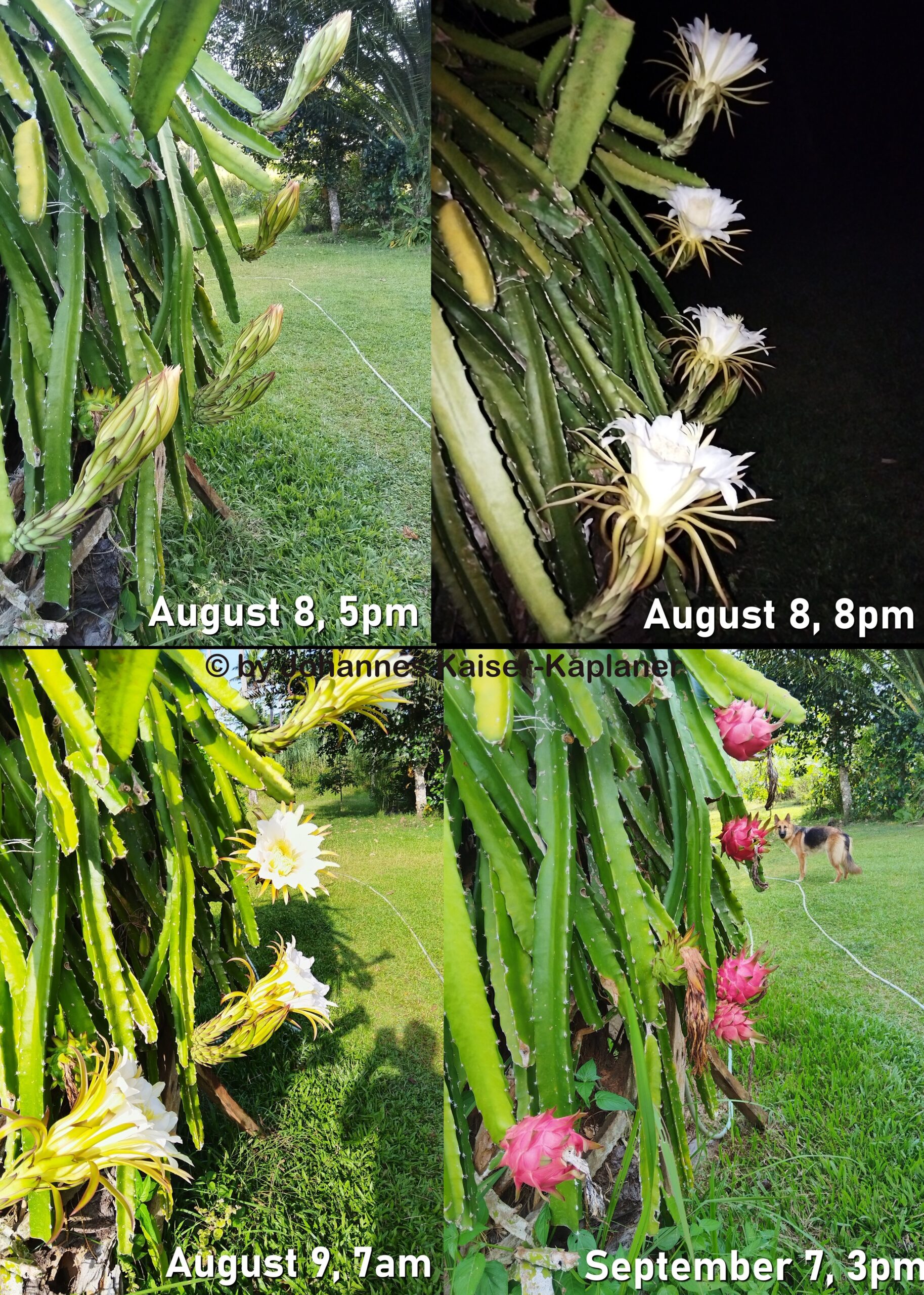
One Month Flower to Fruit
Post-harvest care and storage tips
Here’s the thing about dragon fruit: it won’t ripen after you pick it. Time your harvest right or you’ll regret it.
Once picked:
- Uncut fruit keeps in the fridge for 3 days
- Cut fruit in plastic bags lasts 3-4 days maximum
- Chill before eating for the best taste (I personally prefer these directly after harvest).
That first bite of your homegrown dragon fruit? Worth every bit of effort you put into getting here.
Conclusion
Your dragon fruit journey doesn’t have to be perfect from day one. These climbing cacti forgive mistakes better than most plants, and they’ll reward your patience with years of exotic fruit production right from your own space.
The variety you choose matters more than having a huge garden. Those self-fertile types like ‘Vietnam White’ or space-saving options like ‘Edgar’s Baby’ can turn even the smallest patio into a productive growing area. Get your container and support system right, and you’re already ahead of most beginners.
Cuttings save you years of waiting compared to seeds – that’s the single biggest shortcut in dragon fruit growing. Your first harvest might arrive sooner than you expect, especially if you stay consistent with seasonal care and don’t skip the hand pollination step.
Here’s the truth: watching those massive night-blooming flowers turn into bright pink or yellow fruits feels pretty amazing. Even better when you realize this exotic-looking plant will keep producing for decades with basic care.
Start with one cutting, learn what works in your specific conditions, then expand from there. Soon you’ll have neighbors asking how you managed to grow something so unusual in such a small space. That first bite of homegrown dragon fruit makes every step worth it.
FAQs
Q1. How long does it take for dragon fruit plants to produce fruit?
Dragon fruit plants grown from cuttings can produce fruit in just (1 – ) 2 years, while those grown from seeds typically take at least 5 years to reach fruiting maturity.
Q2. What’s the best way to grow dragon fruit in small spaces?
For small spaces, grow dragon fruit in large containers with good drainage. Use a sturdy trellis or support system, and choose compact varieties like ‘Edgar’s Baby’ or ‘Little Winnie’ that are well-suited for container growing.
Q3. How often should I water my dragon fruit plant?
Watering frequency varies by season. In spring, water once or twice weekly. During summer, increase to every 3-5 days. In autumn, water every 10-14 days, and in winter, reduce to once every 3-4 weeks. Always check soil moisture before watering.
Q4. Do I need to hand-pollinate dragon fruit flowers?
Hand-pollination is often necessary, especially for self-sterile varieties or in areas lacking natural pollinators. When flowers open at night, gently transfer pollen from the anthers to the stigma using a small brush for best results.
Q5. What are the signs that a dragon fruit is ready to harvest?
Harvest dragon fruit when it has fully changed color, the fins appear shriveled. Most varieties ripen 32-45 days after flowering. Remember, dragon fruit doesn’t continue ripening after picking, so timing is crucial.
Links
How do I grow dragon fruit from cutting?
Fertilizer for Your Dragon Fruit
Dragon Fruit tree Training and Pruning
How to Pick Dragon Fruit
Youtube:
Signs of Successful Dragon Fruit Pollination
Build a Dragon Fruit Trellis
Rooting/Propagating Dragonfruit Cuttings 2 Ways – Soil & Water
 Amazon: Dragon Fruit Trellis
- Package Content: includes 2 Metal Garden Trellises (12 x 60 inch) and 2 Stretch Ties, perfect for supporting dragon fruit and climbing plants.
- Material: made of quality coated metal suitable for indoor and outdoor use, designed to handle heavy climbing plants.
- Size: 12 x 60 inch black trellises with 147 feet of 1/2 inch stretch ties provide ample space for plant growth without taking up too much garden area.
- Assembly: easy to install with included items and instructions.
- Usage: versatile support system suitable for dragon fruit, climbing plants, and ornamental trees.
- Buy it on Amazon
Pitaya Dragon Fruit Jam

Deliciously Sweet: A Step-by-Step Guide to Making Pitaya Dragon Fruit Jam
Introduction to Pitaya Dragon Fruit Jam

In the realm of exotic fruits, few can match the vibrant allure of the pitaya, also known as the dragon fruit. With its striking pink hue and captivating appearance, this tropical delight has captured the hearts and taste buds of many. One of the most delightful ways to savor the essence of pitaya is by transforming it into a luscious jam, a treat that will tantalize your senses and leave you craving for more.
Imagine spreading a dollop of this vibrant, velvety concoction onto a warm slice of toast or swirling it into a creamy yogurt parfait. The sweet, subtly floral notes of the pitaya mingle harmoniously, creating a flavor profile that is both unique and irresistible. Crafting your own pitaya dragon fruit jam is an experience that will not only delight your palate but also allow you to appreciate the art of preserving nature’s bounty.
Pitaya Dragon Fruit Jam recipe
Let’s dive into the recipe for creating a luscious pitaya dragon fruit jam. Here’s what you’ll need:
Ingredients:
- 4 pitaya dragon fruits (approximately 1 kg)
- 1 cup granulated sugar
- 1/4 cup freshly squeezed lemon juice
- 1 teaspoon vanilla extract (optional, if you like)
- 1/4 teaspoon ground cardamom (optional)
Equipment:
- Cutting board
- Sharp knife
- Large saucepan or Dutch oven
- Wooden spoon or heat-resistant spatula
- Ladle
- Clean jars or containers for storage
 Step-by-step guide to making Pitaya Dragon Fruit Jam

Follow these simple steps to create a batch of delectable pitaya dragon fruit jam:
- Prepare the Pitaya: Begin by carefully slicing the pitaya dragon fruits in half lengthwise. Scoop out the flesh using a spoon, removing any seeds or tough membranes. Chop or mash the flesh into a coarse pulp.
- Combine Ingredients: In a large saucepan or Dutch oven, combine the pitaya pulp, granulated sugar, lemon juice, vanilla extract (optional), and cardamom (if using). Stir well to ensure the sugar is evenly distributed.
- Cook and Simmer: Place the saucepan over medium heat and bring the mixture to a gentle boil, stirring frequently to prevent scorching. Once it reaches a boil, reduce the heat to low and allow the jam to simmer, uncovered, for about 30-40 minutes. During this time, continue stirring occasionally, using a wooden spoon or heat-resistant spatula to prevent the jam from sticking to the bottom of the pan.
- Test for Doneness: As the jam cooks, it will gradually thicken and reduce in volume. To check if it has reached the desired consistency, perform the “spoon test.” Dip a clean spoon into the jam and lift it out. If the jam coats the back of the spoon and doesn’t immediately run off, it’s ready.
- Jar and Seal: Once the jam has reached the desired consistency, carefully ladle it into clean, sterilized jars or containers, leaving a small headspace at the top. If you plan to store the jam for an extended period, follow proper canning techniques to ensure a secure seal.
- Cool and Enjoy: Allow the jars to cool completely before refrigerating or storing them in a cool, dark place. Once cooled, your pitaya dragon fruit jam is ready to be enjoyed!
 Tips for selecting and preparing Pitaya Dragon Fruit

To ensure the best possible outcome when making pitaya dragon fruit jam, follow these helpful tips:
- Choose Ripe Fruits: Select pitaya dragon fruits that are ripe but not overripe. Ripe fruits will have a slightly soft exterior and a vibrant, evenly colored skin. Avoid fruits with blemishes or soft spots, as these may indicate spoilage.
- Prepare with Care: When handling pitaya dragon fruits, be gentle to prevent bruising or damaging the delicate flesh. Use a sharp knife and a clean cutting board to slice the fruits open.
- Remove Seeds and Membranes: While the tiny black seeds in pitaya dragon fruits are edible, they can lend an undesirable texture to the jam. Take the time to remove them, along with any tough membranes or fibrous bits, for a smoother, more enjoyable consistency.
This step is optional – I did not remove the seeds, as I like the ‘crunchiness’ what they provide. - Adjust Sweetness: The sweetness of the pitaya dragon fruit can vary greatly depending on ripeness and variety. Taste the pulp before cooking and adjust the amount of sugar accordingly to suit your personal preference.
Variations and flavor combinations for Pitaya Dragon Fruit Jam
 While the classic pitaya dragon fruit jam is a delight on its own, you can experiment with various flavor combinations to create unique and exciting variations. Here are some ideas to inspire your culinary creativity:
- Tropical Twist: Incorporate diced pineapple, mango, or passion fruit into the jam for a tropical flavor explosion.
- Citrus Burst: Add a zest of lime or orange to the jam for a refreshing citrus kick.
- Spice It Up: Introduce warm spices like cinnamon, ginger, or star anise to the mix for a delightful depth of flavor.
- Floral Fusion: Experiment with floral notes by adding a touch of rose water or orange blossom water to the jam.
- Boozy Indulgence: For an adult-friendly treat, consider adding a splash of rum, vodka, or your preferred liquor to the jam.
- Nut Butter Swirl: Swirl in a dollop of your favorite nut butter, such as almond or peanut butter, for a decadent twist.
Storage and preservation of Pitaya Dragon Fruit Jam
Proper storage is essential to ensure your pitaya dragon fruit jam retains its vibrant color, flavor, and texture for as long as possible. Here are some tips for storing and preserving your homemade jam:
- Refrigeration: If you plan to consume the jam within a few weeks, store it in an airtight container or jar in the refrigerator. It should keep well for up to 4 weeks when refrigerated.
- Freezing: For longer-term storage, consider freezing the jam. Transfer it to freezer-safe containers or jars, leaving about 1/2 inch of headspace to allow for expansion during freezing. Properly frozen, the jam can maintain its quality for up to 6 months.
- Canning: If you prefer a shelf-stable option, consider canning your pitaya dragon fruit jam using proper canning techniques. This method allows you to store the jam at room temperature for up to a year, provided the seal remains intact.
- Monitoring Quality: Regardless of the storage method, always inspect the jam before consuming it. If you notice any signs of spoilage, such as mold, discoloration, or an off odor, discard it immediately.
Creative uses for Pitaya Dragon Fruit Jam
 While pitaya dragon fruit jam is undoubtedly delicious on its own, it also serves as a versatile ingredient that can elevate a variety of dishes and desserts. Here are some creative ways to incorporate this vibrant jam into your culinary adventures:
- Breakfast Delights: Spread a generous dollop of pitaya jam on toast, scones, or croissants for a vibrant start to your day. Alternatively, swirl it into yogurt, porridge, or overnight oats for a burst of flavor.
- Baked Goods: Use pitaya jam as a filling for tarts, pies, or pastries, or incorporate it into the batter for cakes, muffins, or quick breads for a pop of color and flavor.
- Cocktails and Mocktails: Add a touch of pitaya jam to your favorite cocktails or mocktails for a unique twist. It pairs beautifully with gin, vodka, or sparkling wine.
- Cheese Boards: Elevate your cheese board by offering pitaya jam as an accompaniment to complement various cheeses, such as brie, goat cheese, or aged cheddar.
- Savory Dishes: Don’t limit pitaya jam to sweet applications! Experiment by incorporating it into savory dishes like glazed meats, marinades, or dressings for a touch of unexpected sweetness and vibrant color.
- Gift Baskets: Homemade pitaya dragon fruit jam makes an excellent addition to gift baskets, especially when paired with other gourmet items like artisanal breads, crackers, or nuts.
Crafting your own pitaya dragon fruit jam is a delightful endeavor that allows you to capture the essence of this exotic fruit in a deliciously sweet and versatile form. From the vibrant hue to the subtly floral notes, each spoonful of this jam is a celebration of nature’s bounty.
Whether you choose to enjoy it as a simple spread on toast or incorporate it into more elaborate culinary creations, the possibilities are endless. Embrace the art of jam-making and let your creativity shine as you explore the captivating world of pitaya dragon fruit.
If you’re ready to embark on a culinary adventure and savor the delightful flavors of pitaya dragon fruit, why not try your hand at making this luscious jam? Visit our online store to purchase fresh, high-quality pitaya dragon fruits and all the necessary ingredients. With our convenient delivery options, you can have everything you need to create this vibrant treat right at your doorstep. Don’t miss out on the opportunity to indulge in the sweet, tropical essence of pitaya dragon fruit jam. Order your ingredients today and let the jam-making journey begin!
AdvertisingIf you don’t like to make your own Dragon Fruit Jam, or if there are no Dragon Fruits available in your area, take a look at Amazon. From time to time there is also a Dragon Fruit Jam available, try also to search for “Pitaya preserve @ Amazon” or search for Dragon Fruit Syrup.
Pitaya – SuperFood – Dragon Fruit
Unraveling the Allure of the Dragon Fruit Superfood
 Red Flesh Dragon Fruit, Abiu, Mango and Blooming Dragon Fruit
An Enticing Introduction to the Vibrant Pitaya
Imagine biting into a fruit that resembles an exquisite gemstone, its vivid crimson skin concealing a succulent interior adorned with tiny black seeds. This is the captivating dragon fruit, a tropical delicacy that has garnered a devoted following among health enthusiasts and foodies alike. Hailing from the cactus family, this unique fruit boasts a delightful blend of flavors reminiscent of a kiwi, pear, and watermelon, making it an irresistible treat for the taste buds.
Beyond its aesthetically pleasing appearance and delectable taste, the dragon fruit, also known as pitaya, has earned the coveted title of a superfood. Packed with an array of essential nutrients, antioxidants, and beneficial plant compounds, this exotic fruit offers a multitude of health benefits that have piqued the interest of researchers and health professionals worldwide.
 The Captivating Origins and Varieties

The dragon fruit’s origins can be traced back to the tropical regions of Central and South America, where it thrived in the warm, humid climates. Its unique name is derived from the Greek word “hyle,” meaning woody, and the Latin word “cereus,” referring to its waxy appearance. Over time, this remarkable fruit found its way to Southeast Asia, where it gained immense popularity and became a staple in local cuisine.
While the dragon fruit’s appearance is undeniably striking, its varieties are equally captivating. The most well-known varieties boast a vibrant pink or red exterior, encasing a white or ruby-hued interior. However, there are also yellow-skinned variants that reveal a tantalizing white flesh, offering a distinctively sweet and tropical flavor profile.
A Nutrient Powerhouse: Unveiling the Dragon Fruit’s Composition
One of the primary reasons the dragon fruit has earned its superfood status is its impressive nutrient profile. This exotic gem packs a punch with an array of essential vitamins, minerals, and beneficial plant compounds, making it a true nutritional powerhouse.
A single serving of dragon fruit (approximately 227 grams or one cup) provides:
- Calories: 136
- Protein: 3 grams
- Carbohydrates: 29 grams
- Fiber: 7 grams
- Iron: 8% of the recommended daily intake (RDI)
- Magnesium: 18% of the RDI
- Vitamin C: 9% of the RDI
- Vitamin E: 4% of the RDI
In addition to these essential nutrients, the dragon fruit is a rich source of antioxidants, including vitamin C, betalains, hydroxycinnamates, and flavonoids. These powerful compounds play a crucial role in combating oxidative stress and inflammation, which are linked to various chronic diseases.
Unleashing the Dragon Fruit’s Antioxidant Prowess
One of the most remarkable aspects of the dragon fruit is its impressive antioxidant capacity. These natural compounds act as a formidable defense against free radicals, which are unstable molecules that can cause cellular damage and contribute to the development of various health issues, including cancer, heart disease, and premature aging.
The dragon fruit’s vibrant hues are a testament to its rich antioxidant content. The red and pink varieties derive their striking colors from betalains, a class of pigments that have been linked to protection against harmful LDL cholesterol oxidation. Additionally, the fruit contains hydroxycinnamates, which have demonstrated potential anti-cancer properties in test-tube and animal studies.
Furthermore, the dragon fruit is a rich source of flavonoids, a diverse group of antioxidants associated with improved brain health and a reduced risk of developing cardiovascular diseases. These potent compounds work in tandem to neutralize free radicals, safeguarding our cells from oxidative damage and promoting overall well-being.
Harnessing the Power of Fiber: A Boon for Digestive Health
Beyond its impressive antioxidant content, the dragon fruit is a remarkable source of dietary fiber, a crucial component for maintaining optimal digestive health. With a whopping 7 grams of fiber per serving, this exotic fruit can contribute significantly to meeting the recommended daily intake of fiber, which is 25 grams for women and 38 grams for men.
Dietary fiber plays a vital role in promoting regular bowel movements, preventing constipation, and reducing the risk of colon cancer. Additionally, the fiber in dragon fruit acts as a prebiotic, fostering the growth of beneficial gut bacteria, such as lactobacilli and bifidobacteria. These beneficial microorganisms aid in digestion, support a healthy immune system, and contribute to overall gastrointestinal well-being.
Regulating Blood Sugar Levels: A Diabetic-Friendly Ally
For individuals living with diabetes or those at risk of developing the condition, the dragon fruit can be a valuable addition to their diet. This superfood boasts a low glycemic index, meaning it does not cause rapid spikes in blood sugar levels. Furthermore, studies have suggested that certain compounds found in dragon fruit may aid in regenerating damaged pancreatic cells, which are responsible for producing insulin, the hormone that regulates blood sugar.
By incorporating dragon fruit into their dietary regimen, individuals with diabetes or pre-diabetes can benefit from its ability to maintain stable blood sugar levels, potentially reducing the risk of complications associated with the condition.
Boosting Immunity: A Potent Ally in Warding Off Illness
In today’s fast-paced world, maintaining a robust immune system is crucial for overall health and well-being. The dragon fruit, with its impressive array of vitamins and antioxidants, can serve as a powerful ally in bolstering our body’s defenses against illness.
The fruit’s high vitamin C content plays a pivotal role in supporting immune function. This essential nutrient aids in the production and activity of white blood cells, which are the body’s first line of defense against harmful pathogens. Additionally, the antioxidants present in dragon fruit, such as vitamin C and carotenoids, help protect these vital immune cells from oxidative damage, ensuring their optimal performance.
By incorporating dragon fruit into your diet, you can fortify your immune system, reducing the risk of contracting illnesses and promoting overall health and vitality.
Promoting Cardiovascular Well-being: A Heart-Healthy Choice
The dragon fruit’s unique blend of nutrients and plant compounds makes it an excellent choice for supporting cardiovascular health. The red-fleshed varieties, in particular, are rich in lycopene, a potent antioxidant known for its heart-protective properties.
Lycopene has been shown to reduce the risk of heart disease by preventing the oxidation of LDL (bad) cholesterol, a major contributor to the buildup of plaque in arteries. Additionally, the omega-3 and omega-9 fatty acids found in the tiny black seeds of the dragon fruit further contribute to maintaining a healthy cardiovascular system.
By incorporating this vibrant superfood into your diet, you can take a proactive step towards promoting heart health and reducing the risk of cardiovascular issues.
 Enhancing Skin Radiance: A Natural Beauty Booster

The benefits of the dragon fruit extend beyond its internal health effects, as this superfood can also contribute to radiant and youthful-looking skin. The fruit’s high vitamin C content plays a crucial role in collagen production, a protein responsible for maintaining skin elasticity and firmness.
Furthermore, the antioxidant properties of vitamin C and other compounds found in dragon fruit can help protect the skin from the damaging effects of sun exposure and environmental pollutants, which can accelerate the aging process and contribute to the formation of fine lines and wrinkles.
By incorporating dragon fruit into your skincare routine, either through topical application or dietary consumption, you can harness its natural beauty-boosting properties and achieve a glowing, radiant complexion.
Fortifying Bone Health: A Mineral-Rich Ally
Maintaining strong and healthy bones is essential for overall well-being, and the dragon fruit can be a valuable ally in this pursuit. This superfood is a rich source of magnesium, providing 18% of the recommended daily intake in just one serving.
Magnesium plays a vital role in bone formation and maintenance, as it is involved in the absorption and utilization of calcium, the primary mineral responsible for bone strength. By ensuring adequate magnesium intake, you can support the proper functioning of this essential process and reduce the risk of developing conditions like osteoporosis.
Additionally, the dragon fruit’s vitamin C content contributes to the production of collagen, a protein that helps maintain the structural integrity of bones, further enhancing their strength and resilience.
Culinary Versatility: Unleashing the Dragon Fruit’s Potential
While the dragon fruit’s vibrant appearance and unique flavor profile make it a delightful treat to enjoy on its own, its culinary versatility extends far beyond a simple snack. This superfood can be seamlessly incorporated into a variety of dishes, adding a burst of color, flavor, and nutritional value to your culinary creations.
From refreshing smoothies and juices to tantalizing salads and desserts, the dragon fruit lends itself to a myriad of culinary applications. Its delicate sweetness and slightly tangy undertones complement a wide range of flavors, making it a versatile ingredient in both sweet and savory dishes.
Additionally, the dragon fruit’s striking appearance makes it an excellent garnish or decorative element, adding a touch of visual appeal to any dish or beverage. Whether you’re hosting a dinner party or simply seeking to elevate your everyday meals, the dragon fruit is a true culinary gem that can elevate your culinary experiences.
Embracing the Dragon Fruit: A Vibrant Journey to Optimal Health
As you embark on your journey to optimal health and well-being, the dragon fruit can be a valuable companion, offering a wealth of benefits that extend far beyond its captivating appearance and delectable taste.
From its impressive antioxidant capacity and fiber content to its potential in regulating blood sugar levels and supporting cardiovascular health, this superfood truly lives up to its reputation. Whether you incorporate it into your daily meals, blend it into smoothies, or enjoy it as a refreshing snack, the dragon fruit promises to add a burst of vibrant nutrition to your diet.
So, embrace the allure of this exotic gem and embark on a flavorful and nutritious adventure, one bite at a time. Unlock the secret to radiant health and vitality by making the dragon fruit a staple in your culinary repertoire.
Links:
- Dragon Fruit Health Benefits & Nutrition
- Wikipedia: Pitaya
- Healthline: 7 Great Reasons to Add Dragon Fruit to Your Diet
Pitaya – Dragon Fruit – Pitahaya
Hylocereus costaricensis (Pitaya roja, Red-fleshed Pitaya, Hylocereus polyrhizus)
Pitaya is also well known as Dragon Fruit and was indigenous to Central and South America, and and nowadays grown in warm climates almost all over the world.
In Vietnam the Dragon Fruit was the leading exported fruit with 900.000 tonnes shipped during the first five months in 2015 (followed by watermelon, longan and bananas).
(Source: http://www.fruitnet.com/…/dragon-fruit-drives-vietnam-exports)
There are three different kind of Pitayas:
1) Hylocereus undatus (Red Pitaya with white flesh)
2) Hylocereus costaricensis (Red Pitaya with red flesh)
3) Hylocereus megalanthus (Yellow Pitaya with white flesh)

The Pitaya with red flesh is richer in nutrients, flavor and has a nice sweet taste.
Pitayas / Dragon fruits are rich in antioxidants, contain vitamin C, polyunsaturated (good) fatty acids, and several B vitamins for carbohydrate metabolism, as well as carotene and protein.
The antioxidants are working as “Anti-Aging”, they fight off free radicals and keep the skin tight and firm.
Aside from vitamin C, Phosphorus and Carotene the red flesh Dragon Fruit contains Lycopene (what is responsible for the red color in dragon fruit), which lowers the prostate cancer risk.
Dragon fruit also decreases bad cholesterol levels while improving the good levels, what is good for your heart health.
The Magnesium increase your energy and is important for regulating Sodium, Potassium, and Calcium Levels. Magnesium also helps to relax muscles, nerves and anxiety.
Pitaya is also a good source of Iron, Vitamins B1, B2, B3, as well as Calcium, Phosphorous, Protein, Niacin, and Fiber.
Pitayas / Dragon fruits are improving the functioning of your immune system.
Take a look at these Websites, to read what are Dragon Fruits good for.
medicaldaily.com/benefits-dragon-fruit-6-health-reasons-eat-more-exotic-fruit
naturalfoodbenefits.com
foodfacts.mercola.com/dragon-fruit.html
pitaya.plus/pitaya-superfood-dragon-fruit/